The Tradition of the Avant-Garde
Article Sidebar
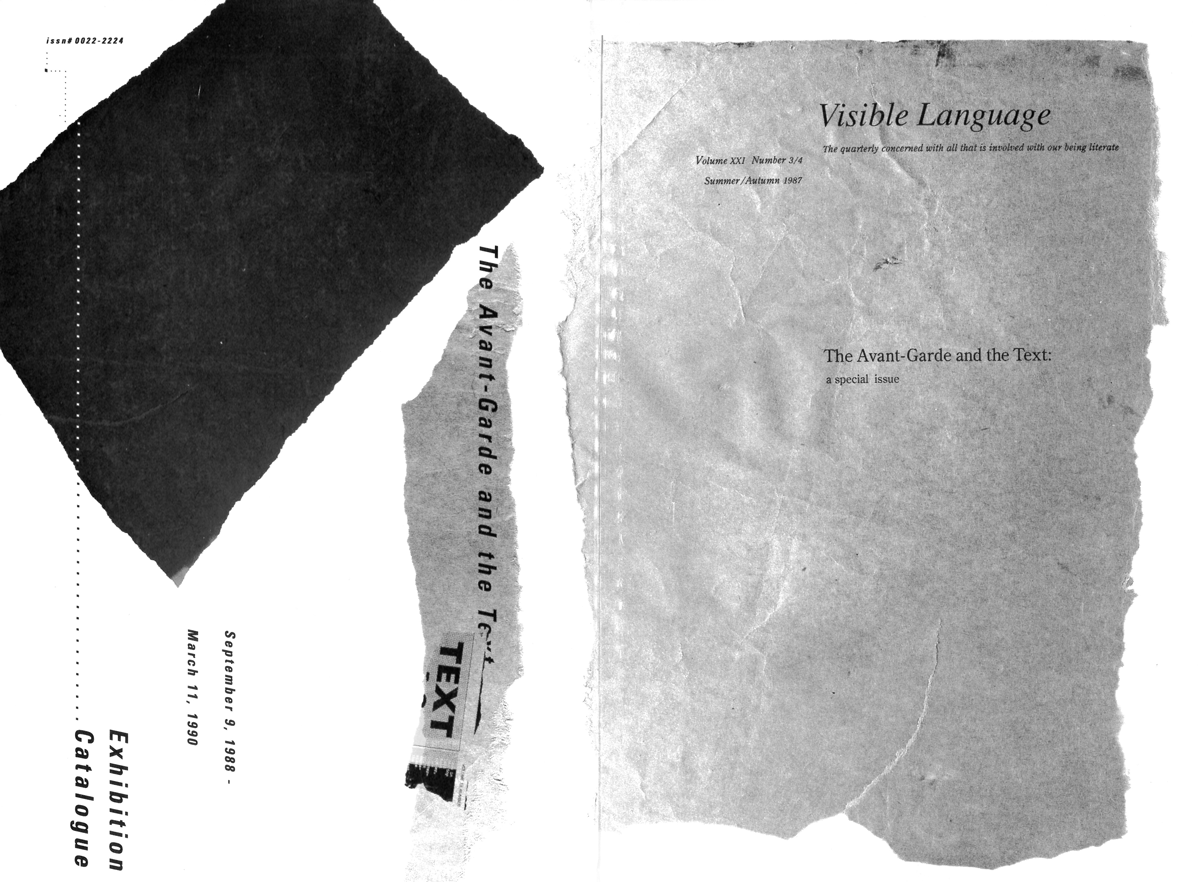
Published:
1987-07-01
Main Article Content
Abstract
For some, the essence of the avant-garde is found less in its analysis than in a sympathetic reading. This paper seeks an attitudinal common denominator that informs and identifies all authentic avant-garde art and literature. That common denominator is the embrace of change. Breaking with outmoded means for copying with a new and changing environment leads to breaks with established traditions (for example, rationalism) and to an exploration of alternative approaches. Rejection of conventions leads the avant-gardist to a course of self-determination explained here through discussion of a number of twentieth century movements and individuals. Among alternatives could be counted the discovery of the subconscious and political engagement. Yet any single possible approach is less important to identifying the avant-garde than it is a symbol of its openness to and inclusiveness at all possible approaches. The fluidity and limitlessness of the avant-garde define its freedom. Although a tradition, the avant-garde maintains as its center the imperative of change.
Article Details
Section
Research Article