The Role of Text Alignment on Response Speed and Accuracy When Reading Chinese-English Bilingual Traffic Signs
Article Sidebar
Main Article Content
Abstract
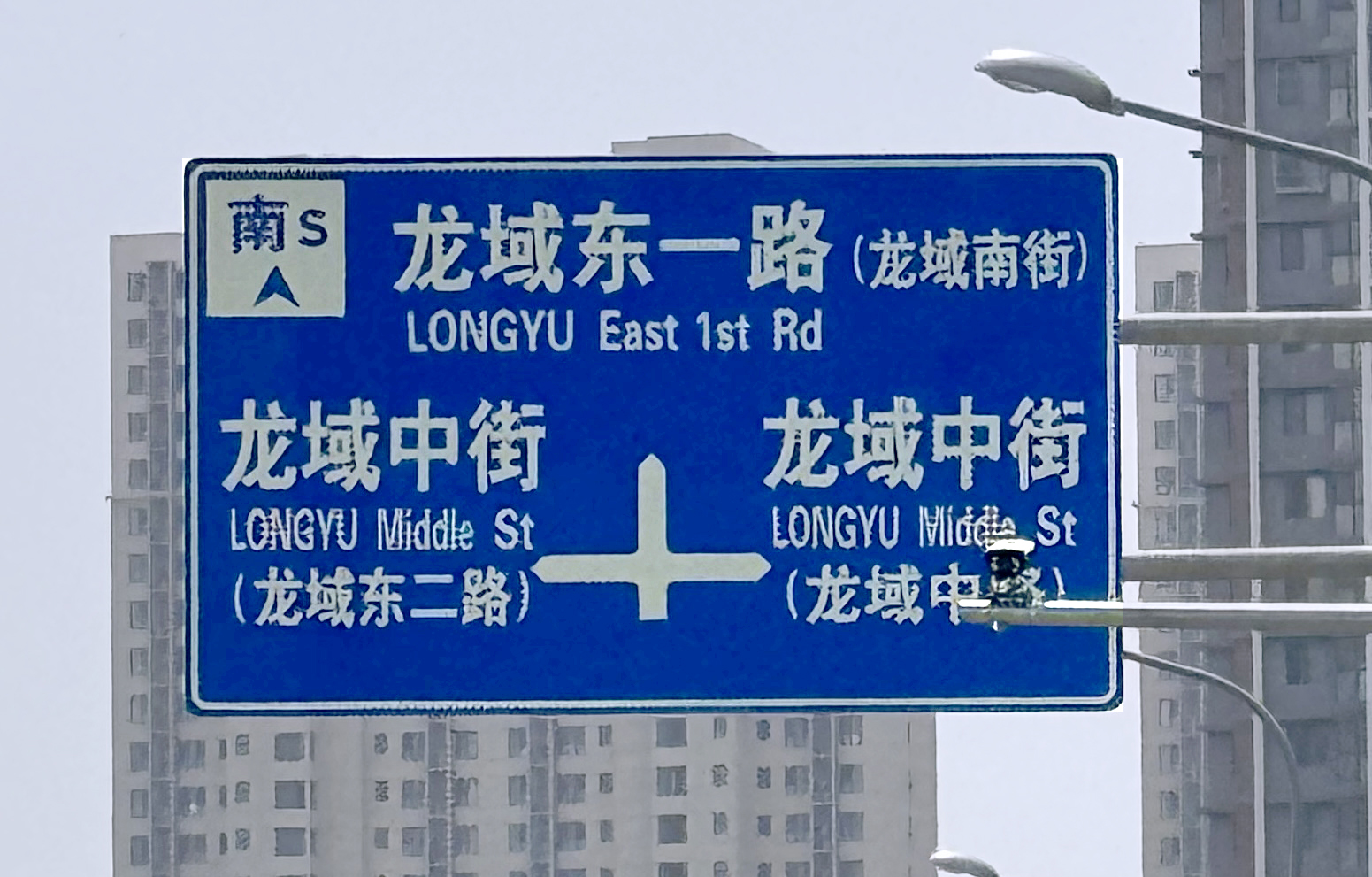
This paper discusses the role of text alignment on the speed and accuracy of navigational responses for participants who read English but not Chinese when presented with bilingual Chinese/English traffic signs. Two text alignment conditions (centered and ragged right settings) are tested in relation to two independent variables: sign complexity and vertical separating spacing between scripts in a pair of studies. Video materials are used to provide a safe way to simulate how and where road signs may appear in a driving scenario, while efficiently testing many variations. The results suggest that left alignment improves speed and accuracy in complex, multi-direction signs with narrower vertical separating spacing, whereas central alignment may be beneficial for simpler signs with single direction indications. These findings highlight the value of including alignment specification in guidance for bilingual signage, especially when accounting for sign complexity. However, it would be important to conduct further studies using methods with a higher ecological validity and a broader range of participants before robust recommendations can be devised.