The Visual Language of Textile Tickets in 20th-Century British India: A Collection from B. Taylor and Co.
Article Sidebar
Main Article Content
Abstract
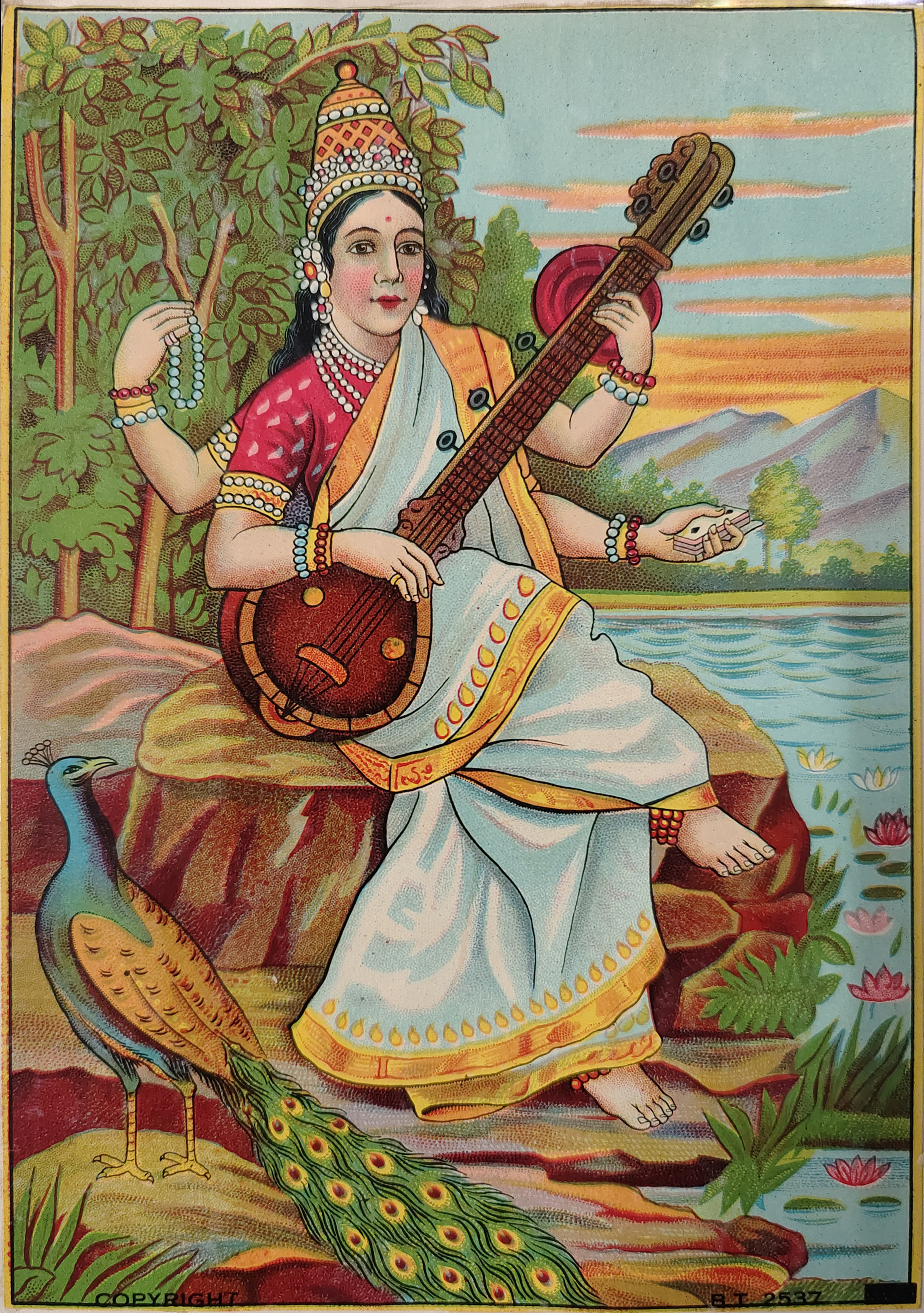
This essay examines the visual language of textile tickets — small, printed labels used on cotton bales and fabric lengths — produced by British printers for export to colonial India between the mid-19th and early 20th centuries. Emerging amidst expanding colonial trade and advances in printing technology, these ephemera evolved into vivid, ideologically charged artifacts. Focusing on a collection of textile tickets produced by Manchester-based printing firm B. Taylor and Co., this study explores three recurring visual themes: empire, religion, and gender. It argues that these images did more than advertise textiles: they glorified British imperial authority, appropriated Indian religious imagery, and idealized women as passive ornamental objects to enhance appeal in a male-dominated trade. Through visual and contextual analysis, this essay demonstrates that textile tickets — often valued only for aesthetics — also functioned as everyday instruments of colonial control.